

Highland River Estates
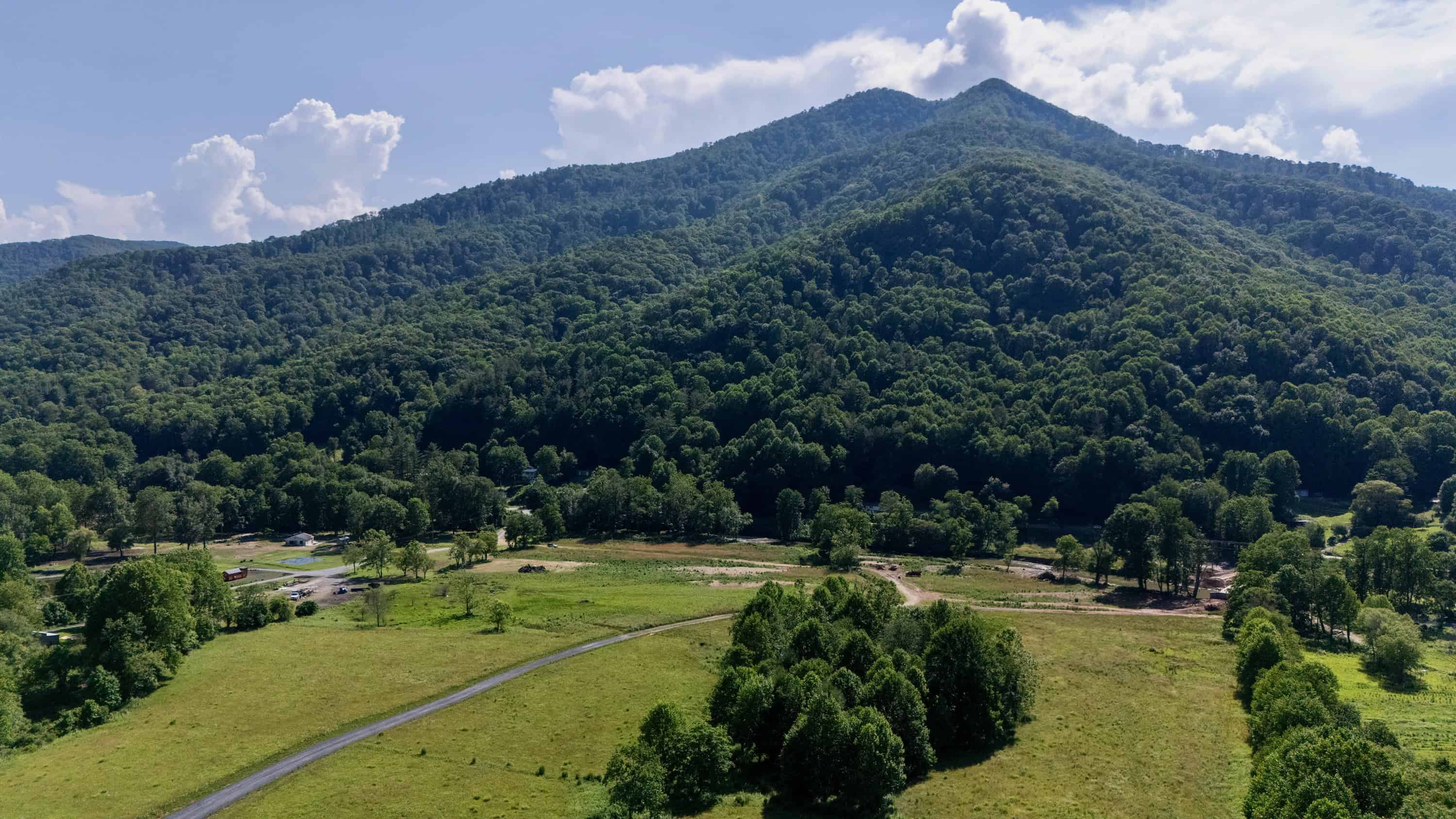
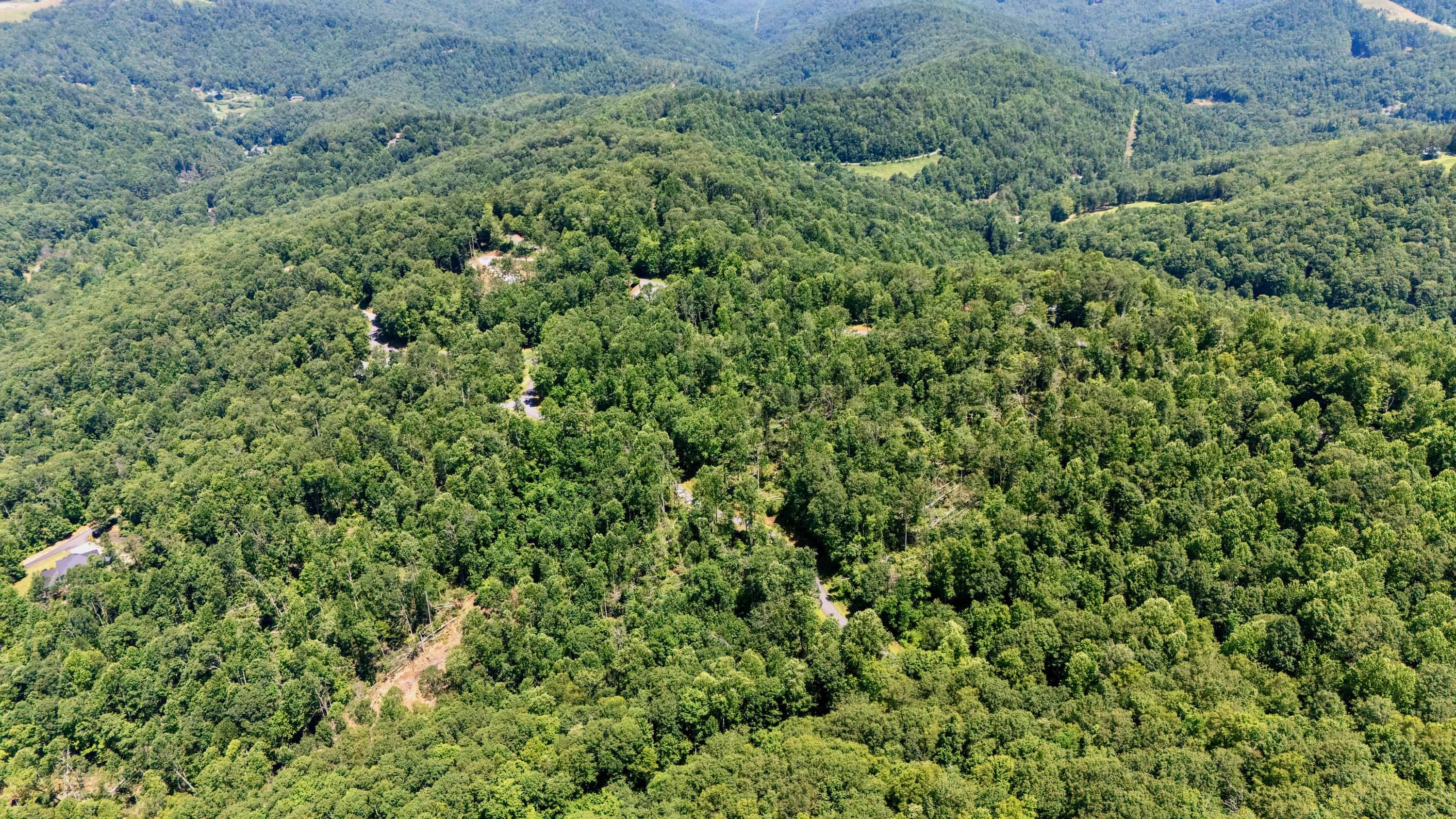
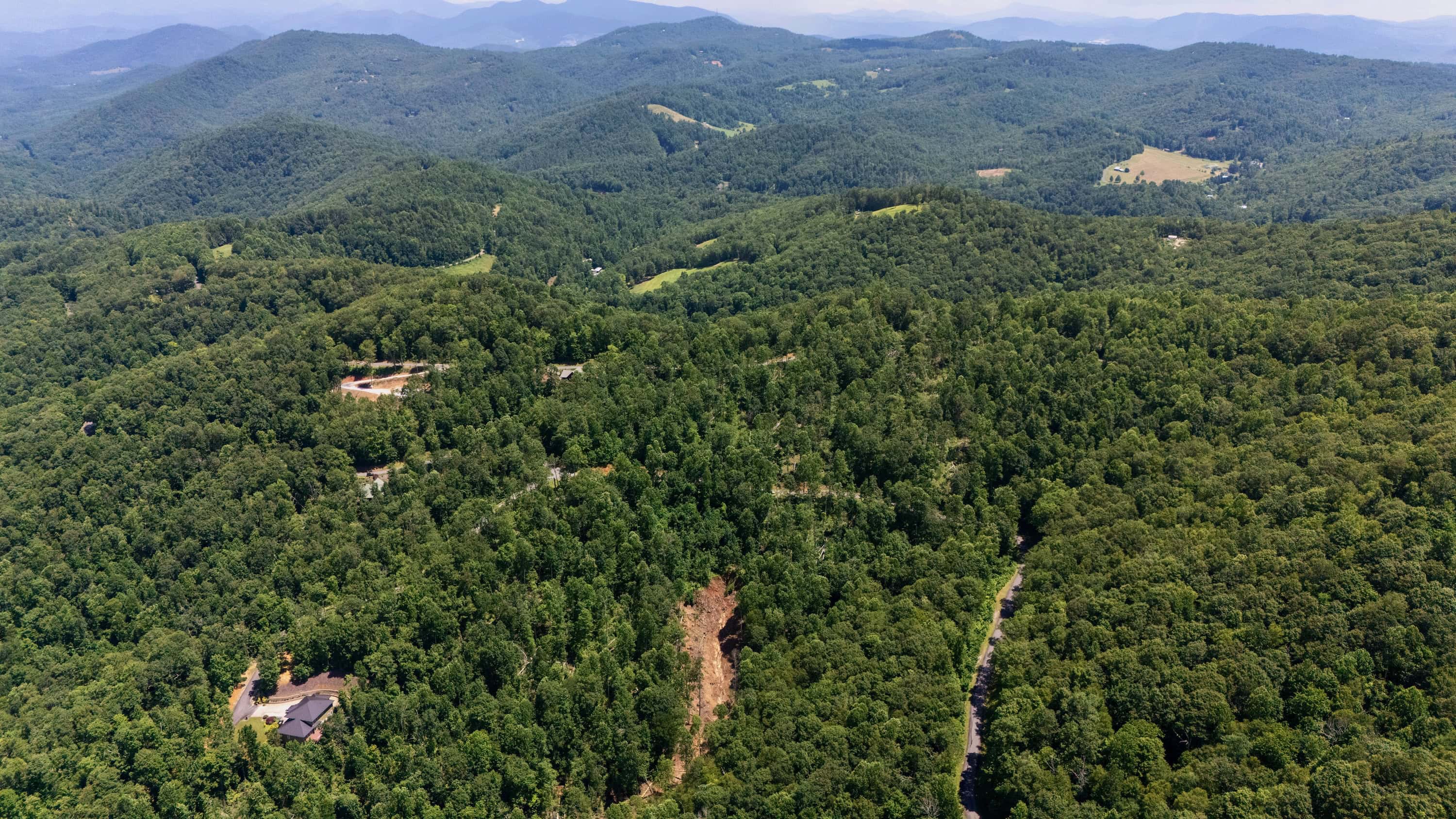
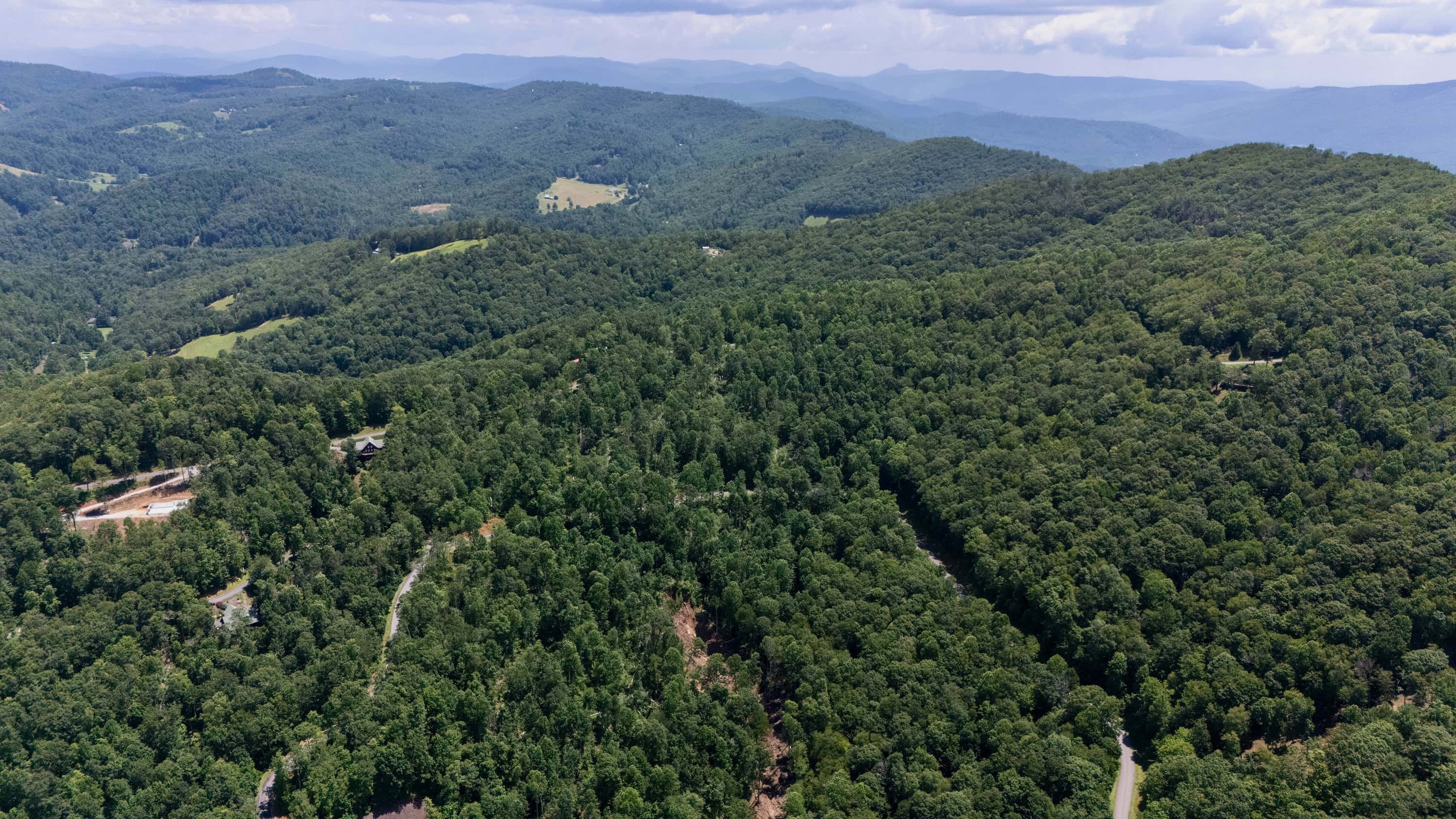
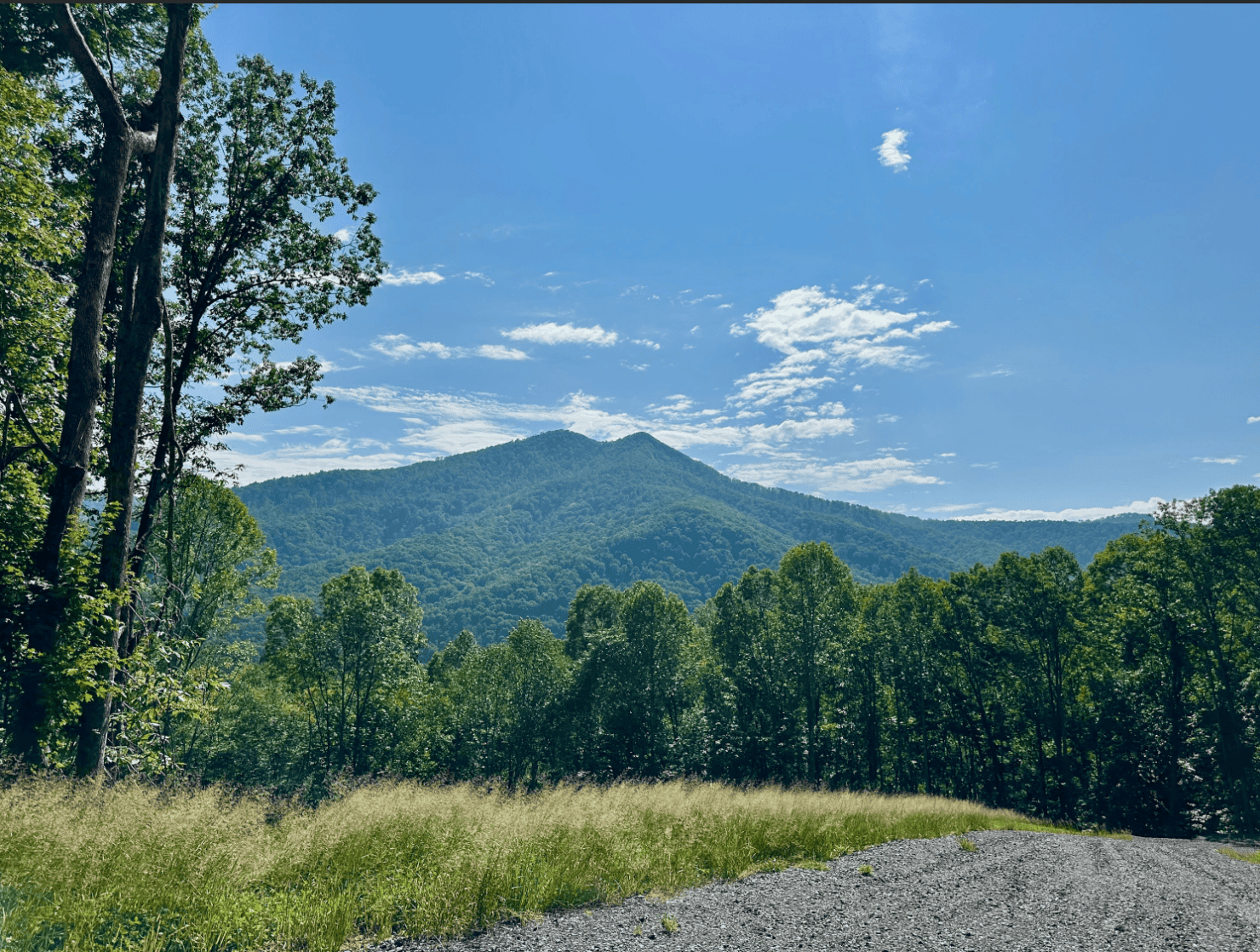
Tell Your Story At Highland River Estates Beneath the Mountain Known As Spear Tops
The Property & Community
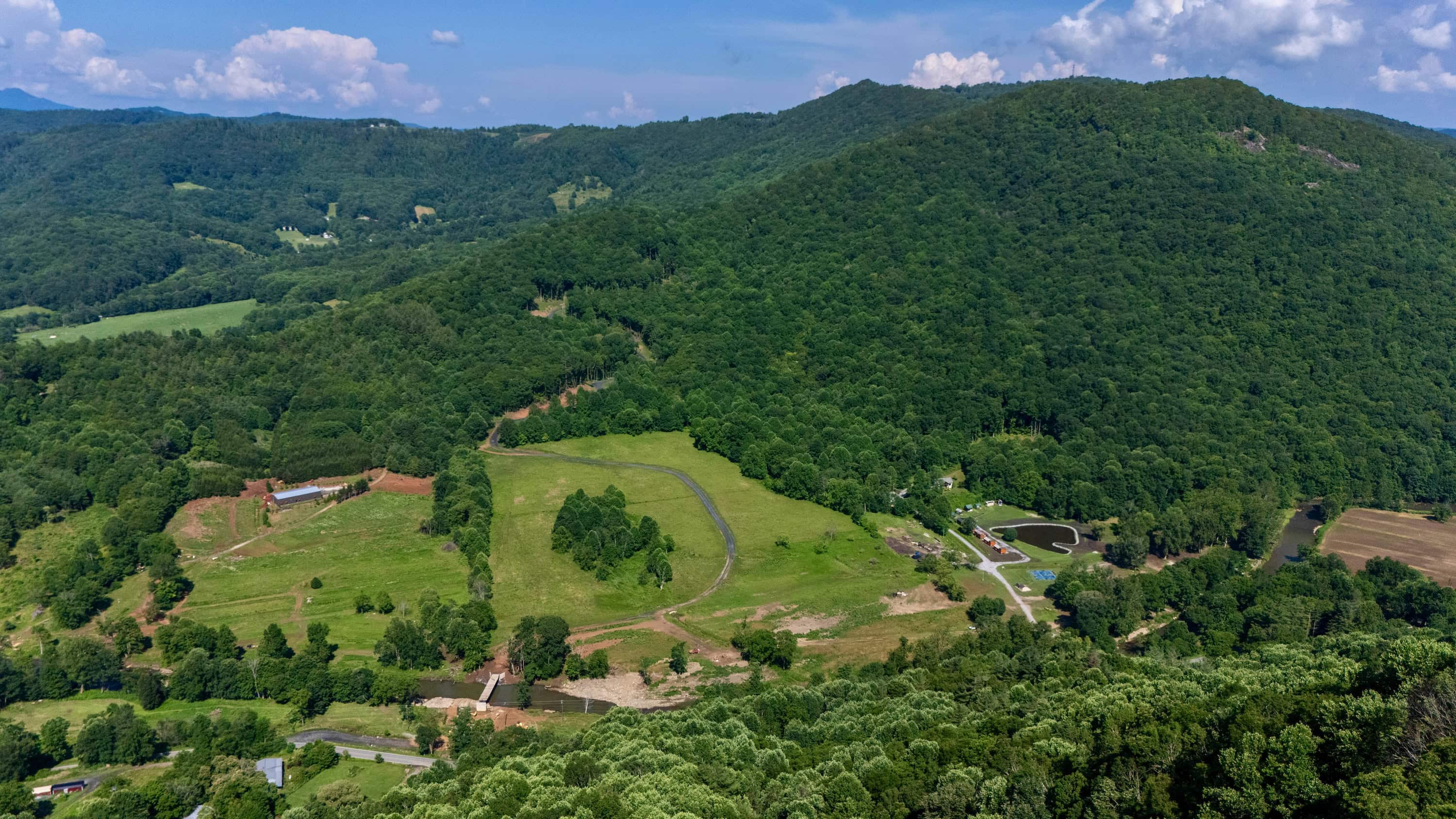
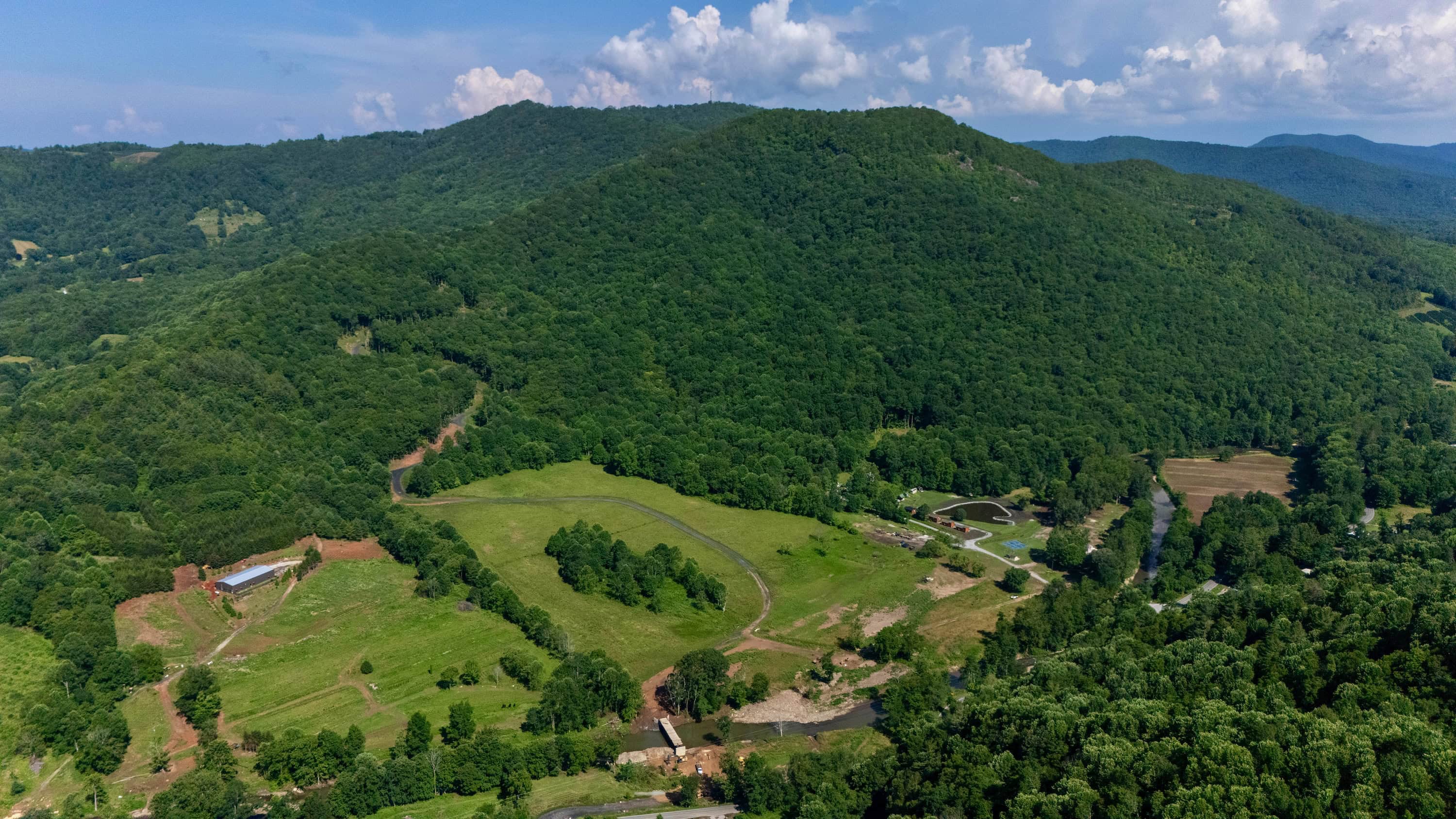
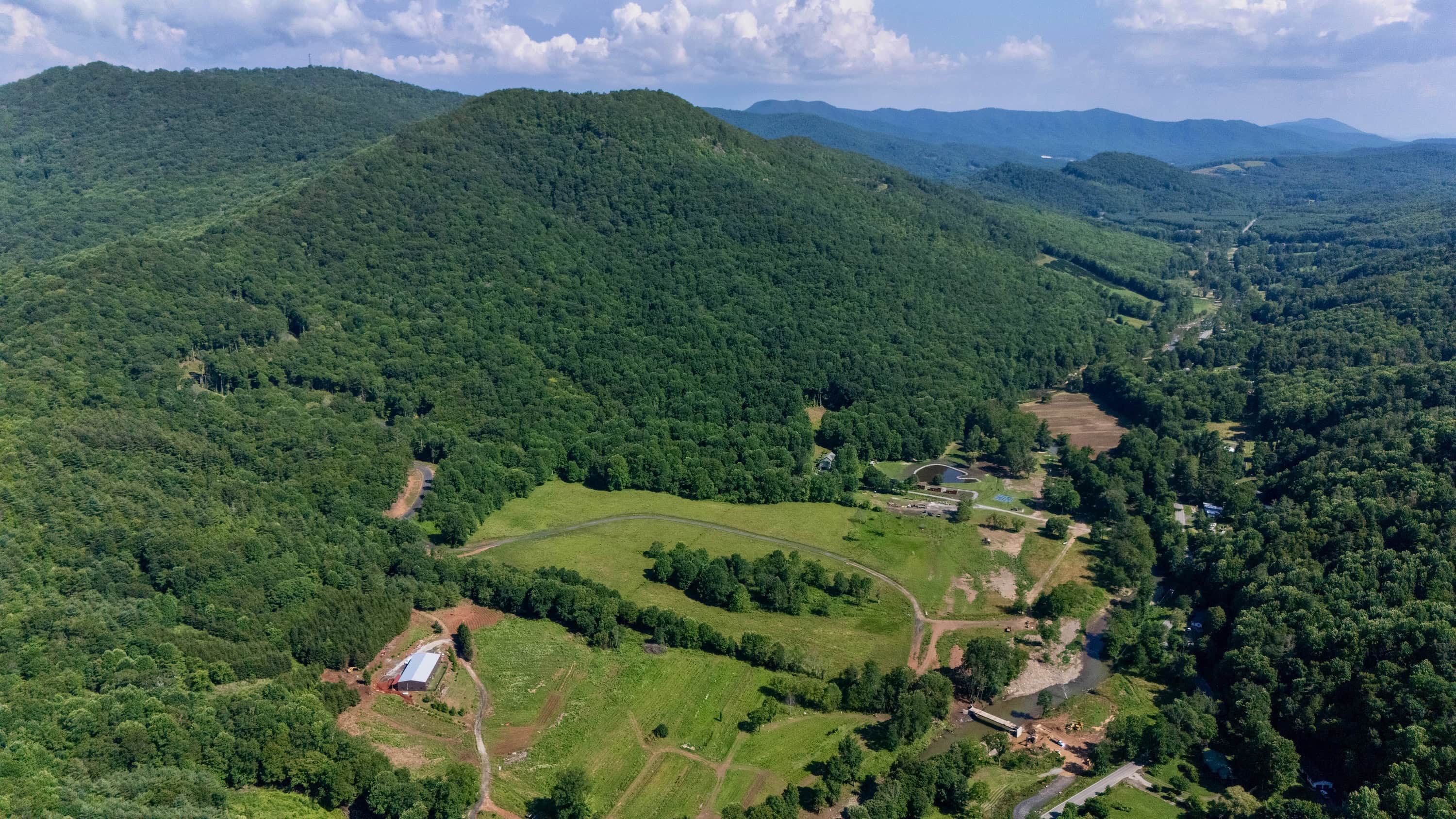
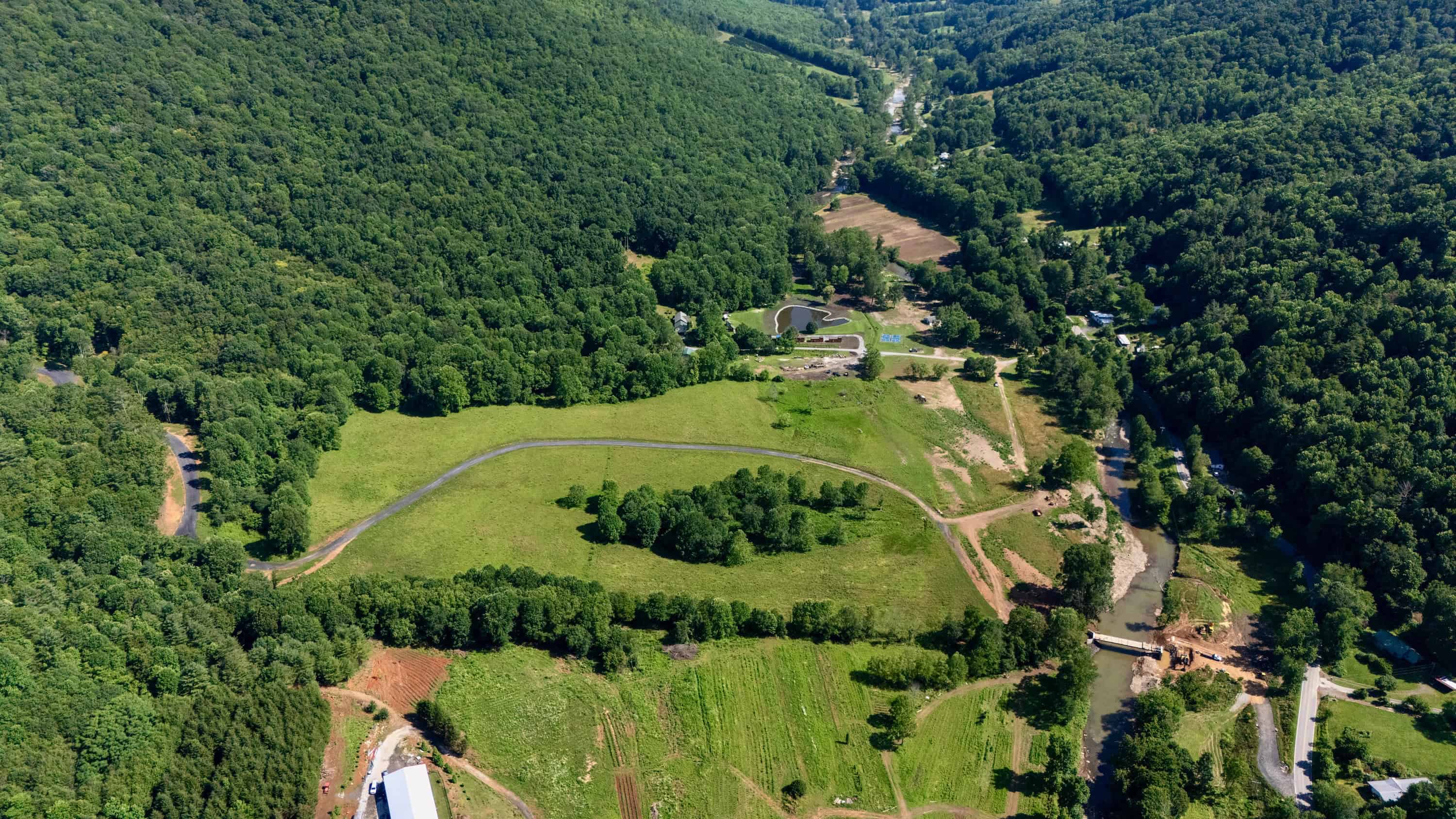
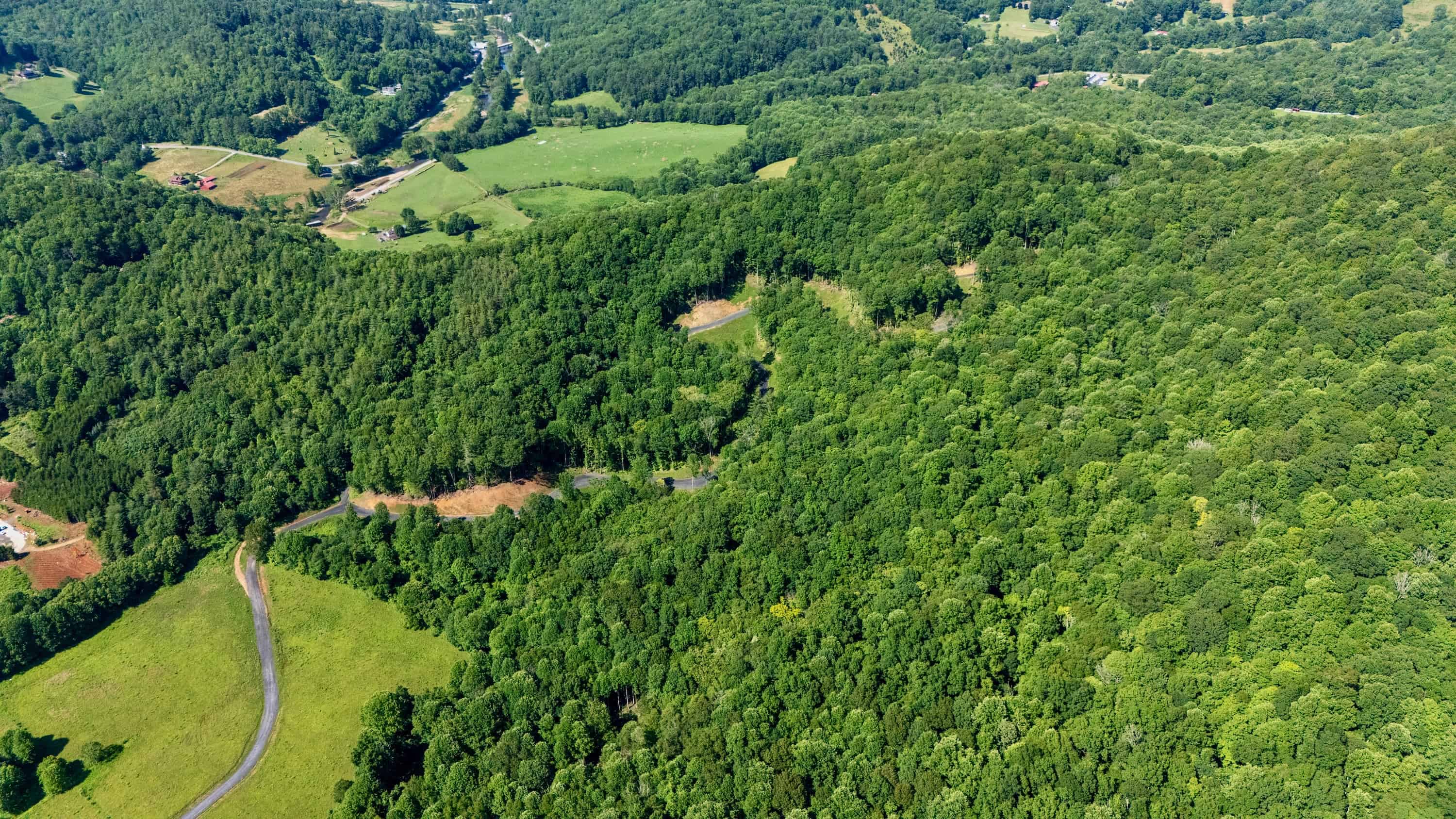
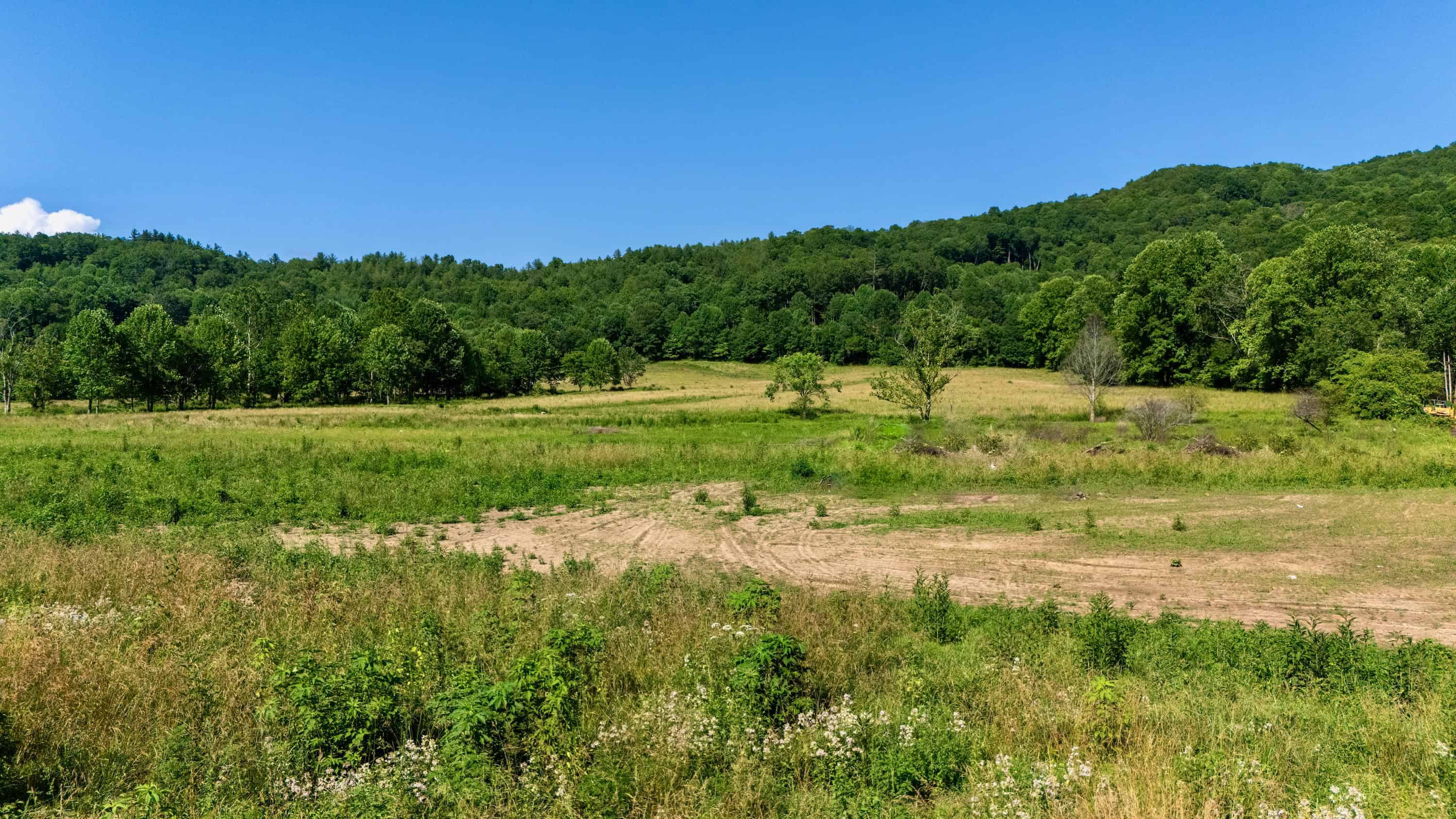
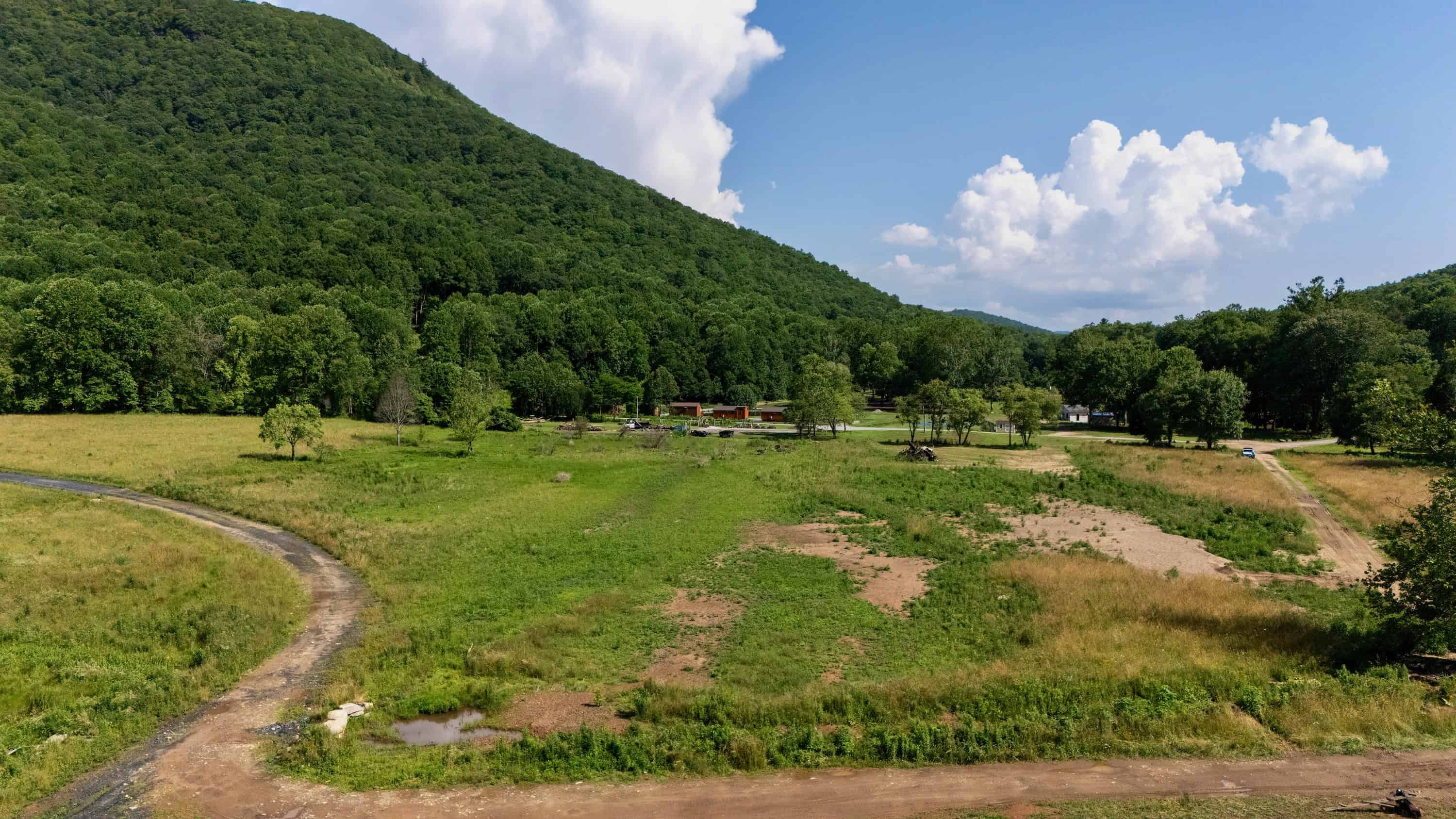
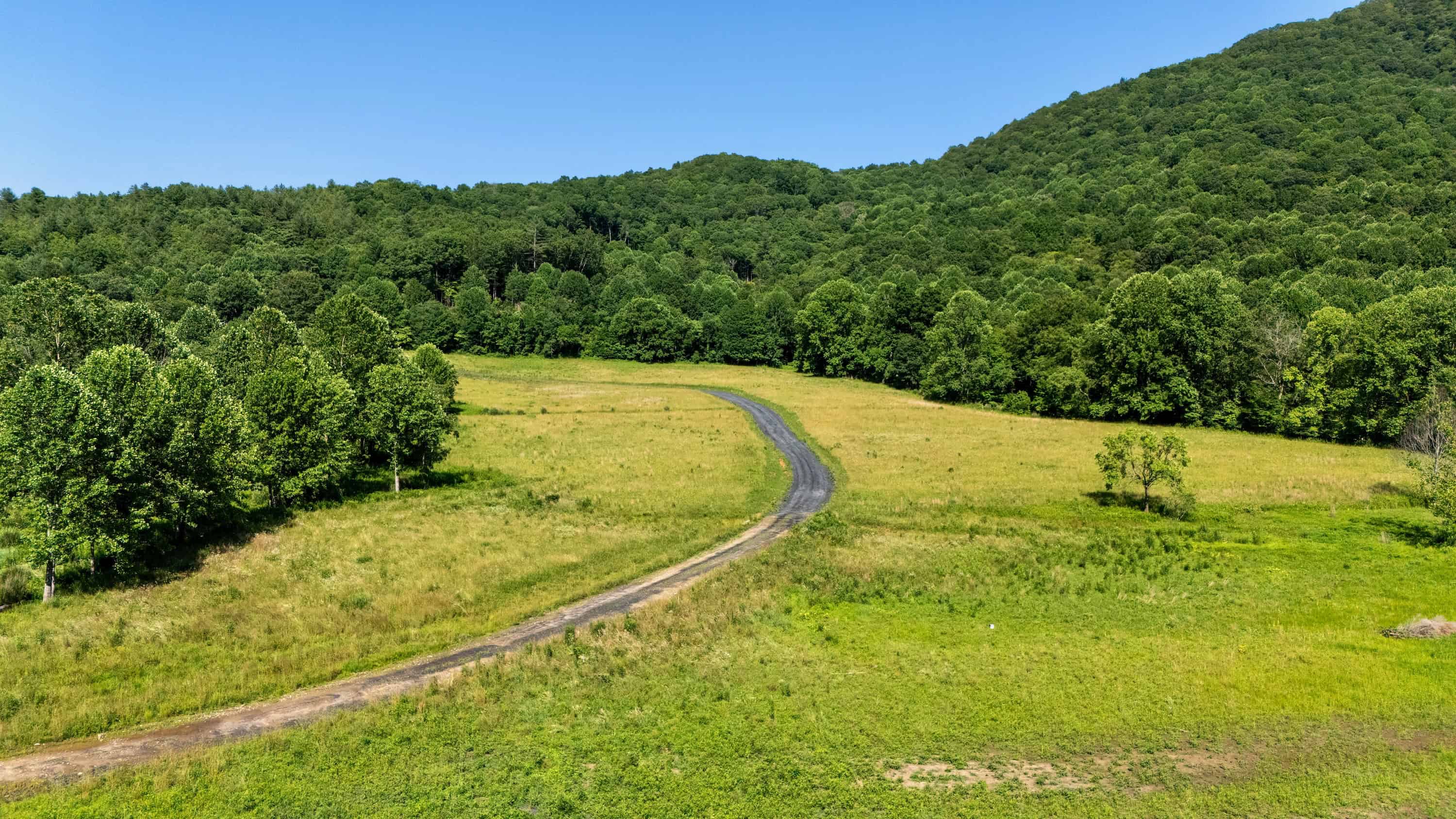
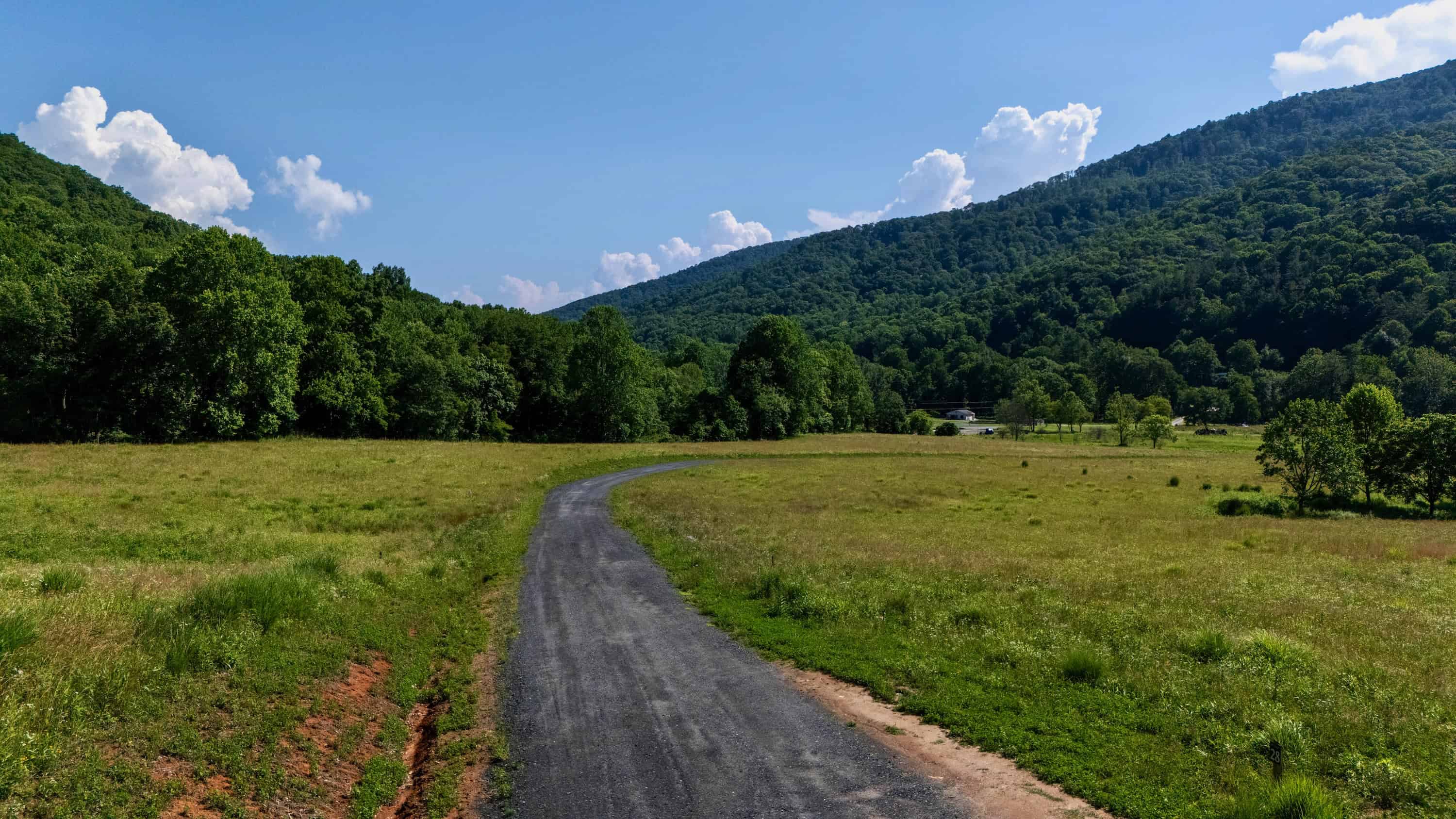
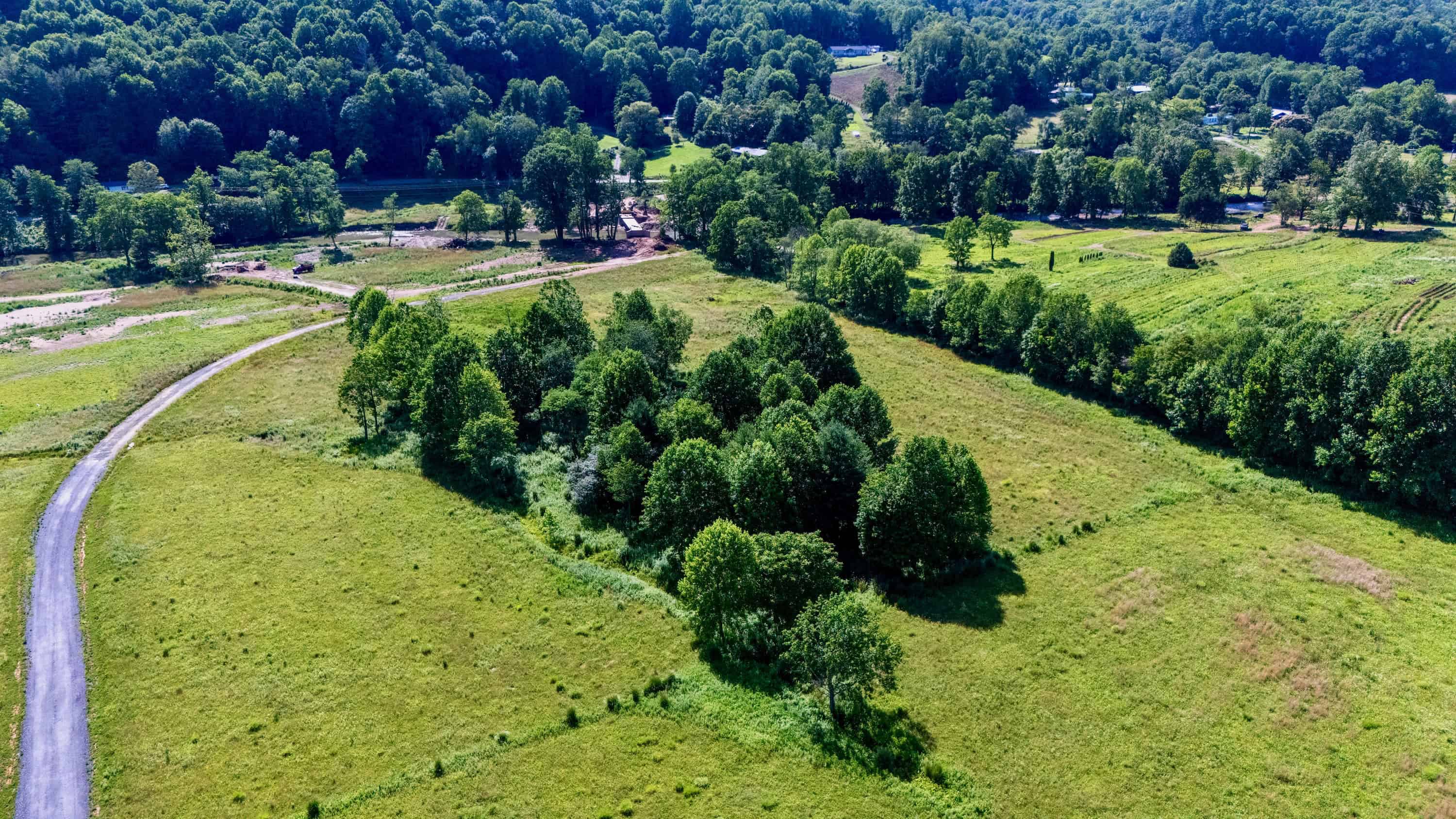
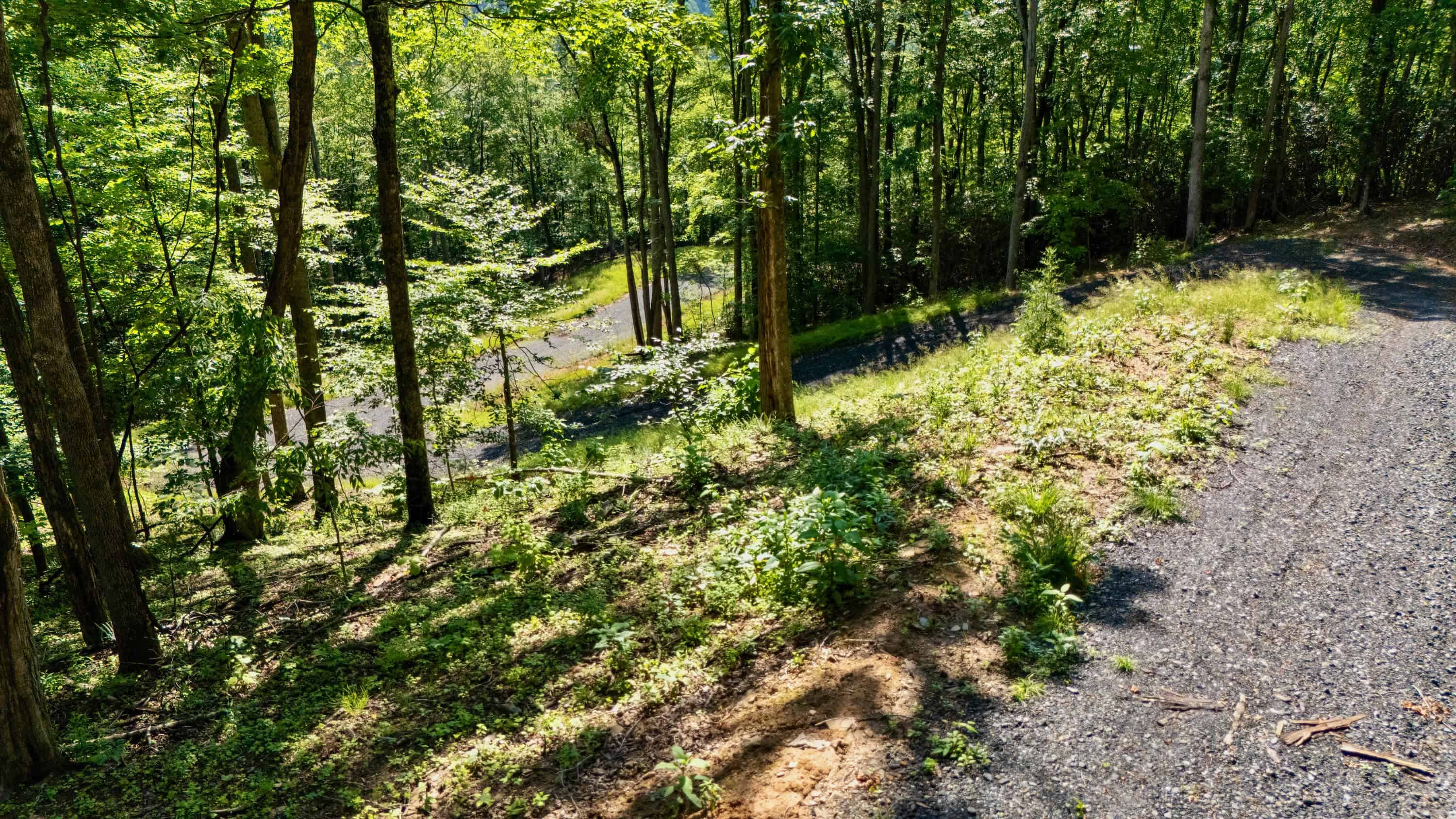
Highland River Estates is a new gated well-planned community of PRIME real estate, with only 50 lots ever to be available. Carved out of a mixed hardwood forest in these magnificent mountains, the lots range between .76 acres and 3.15 acres, each featuring protected mountain views, a common river access, along with soon to be installed buried utilities, paved roads, and a three-bedroom septic on your lot. You only need to decide where to place your home and well.
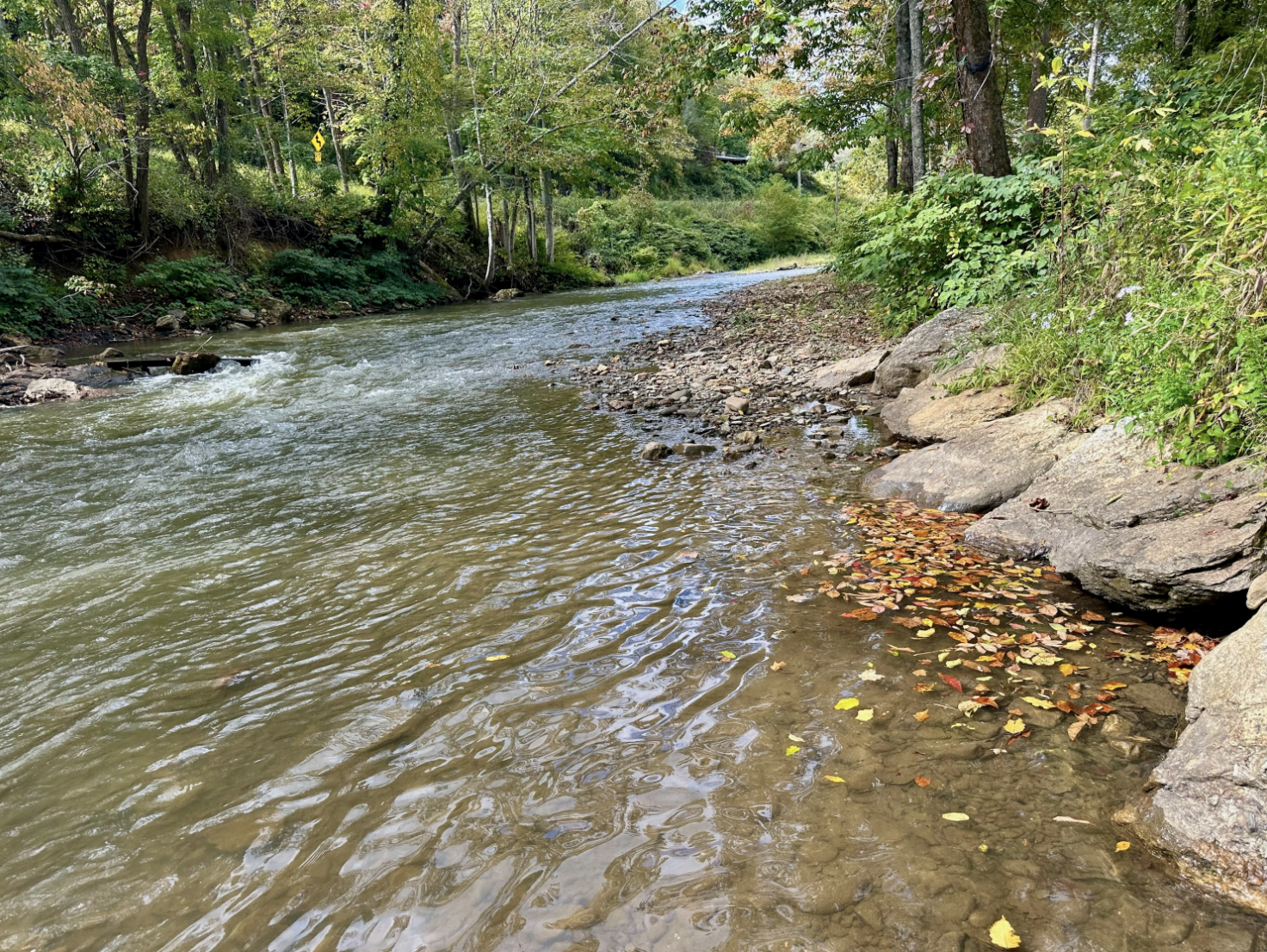
As you drive across the unique custom bridge into this preserve, crossing the live water of the ancient North Toe River, you will find it a difficult choice as to which lot you will want to build your legacy upon, but once you arrive, you will know that this is the place.
"I was weary in body; I was weary in soul. I set my feet on mountain paths; The mountains made me whole".
Your investment is protected with appropriate and reasonable deed asset protecting covenants. This property holds value that ever increases as fewer and fewer prime tracts like this become available. Build your home, and if you decide to sell… you will understand what a sound investment you have made.
IF YOU APPRECIATE magnificent mountain scenery and the companionship of people with broad interests; If you would like to live or vacation clean and pure— where you can enjoy, but avoid most of the annoyances of urban, suburban or commercialized resort areas, perhaps you should join the business executives, doctors, engineer, teachers, writers, artists and other interesting people who have chosen to build their permanent and/or vacation homes and legacy in this area of our ancient mountains.
No doubt, as this community builds out, your neighbors will be people of achievement in their respective professions and businesses— of good taste, with a wide variety of creative interests. Here, at Highland River Estates, you can build a beautiful year-round residence, or a vacation retreat at less cost per square foot than in most other sections of the country. Also, it’s important to acknowledge: THE DEGREE OF FREEDOM IS HIGH, & PROPERTY TAXES ARE LOW!
You will be able to build with ease & confidence, and our Foxfire team is here to support your vision— from selecting the ideal lot to partnering you up with choice local builders for a seamless land/home package experience, and an accentuation on building investment equity for resale.
The emphasis here is on enjoyment of one of the most beautiful mountain regions in the entire world; on simple forms of outdoor recreation; on clean mountain living; on companionship with interesting people— as well as complete privacy when desired.
Highland River Estates is approximately mid-way between New York and Florida, and is easily one days drive from 60% of the entire US population— New York, Philadelphia, Washington D.C., New England, Florida and the Mid-west.
No matter the road you take, to or from here, it’s always the “scenic route!” This ridge top awaits your legacy— your family’s crest or shingle is ready to be erected here at Highland River Estates.
Leave the stresses of your daily lives at the foot of the mountain, in the downcountry where they belong— let the altitude of Highland River Estates improve your attitude!
This property affords you privacy without remoteness and convenience without the crowd.
You are just 10 minutes away from downtown Spruce Pine, The Grassy Creek Golf and Country Club, and the Blue Ridge Regional Hospital; 10 minutes to the Blue Ridge Parkway and the Linville Falls Winery— perfect for wine, music and weekend relaxation; 15 minutes aways from the famous Penland School of crafts; You will be 20 minutes to downtown Burnsville, or fine dining ski resort and other entertainment at Banner Elk, Beach Mountain, and Sugar Mountain, as well as Mountain Glen Golf Course in Newland; 30 minutes to Lake James, Marion, and I-40; 50 minutes to Asheville, NC; 50 minutes to Johnson City, TN, and the Tri-Cities Airport. This community is two hours from Charlotte, NC.
The Ancient River— The North Toe
As you dip your toes in this beautiful swimming hole, or hook that native trout on your fishing line from the common area here at Highland River Estates, you will appreciate that the ancient live water flowing beneath you goes from the doorstep of the community all the way to the Gulf of America. There are lots of whitewater adventures and fun to be had also— go from your community’s doorstep in a canoe or raft and arrive in downtown Spruce Pine just a few miles away and have lunch or dinner at one of the town’s fine eateries, or travel on down stream for overnight camping and recall what it must have been like for Davie Crockett and Daniel Boone back in the day.
Originating at approximately 5,400 feet, the North Toe River eventually confluences with the South Toe and the Cane River forming the Nolichucky River, heading into Tennessee. The river's watershed covers 1,146 square miles and includes numerous tributaries with all of these upstream sections near the headwaters remaining in good ecological health.
The broader Toe River Valley (encompassing Avery, Mitchell, and parts of Yancey counties) have a rich history shaped by indigenous use, European exploration, settlement, mining, and now tourism. The valley's recorded timeline spans from pre-colonial times to the present, with the river serving as a vital corridor for travel, trade, and industry.
The earliest known inhabitants were the Catawba and Cherokee peoples, who used the Toe River Valley primarily as a seasonal hunting ground rather than a permanent settlement area. The river's name derives from the Cherokee term "Estatoe" (pronounced "S-ta-toe"), referring to an ancient Native American trade route.
European contact began in 1540 when Spanish explorer Hernando de Soto traversed the region during his expedition through the Southeast, with evidence of early Spanish mining operations at 100s of site throughout Avery, Mitchell and Yancey Counties.
In the late 1560s, Spanish explorer Juan Pardo passed through, seeking to establish an overland route from the Southeast to silver mines in Zacatecas (modern Mexico). These expeditions marked the first European presence but left limited lasting impact beyond mining traces.
By the mid-18th century, European settlers—primarily English, Scotch-Irish, and German immigrants—began arriving, drawn by fertile valley lands and mineral resources. The valley's broad, flat areas (once called "Old Fields of Toe") supported early farming communities.
Mining boomed in the 18th and 19th centuries, with the Spruce Pine Mining District along the North Toe becoming a key source of mica, feldspar, and quartz—resources critical for electronics and ceramics. This industry spurred settlement and infrastructure, including railroads in the late 1800s that transported ore from remote mountain sites.
The river facilitated trade and migration along the Estatoe Trail. By the early 20th century, communities like Spruce Pine and Bakersville emerged as hubs.
Today, the North Toe is celebrated for fly fishing, kayaking, and its role in the French Broad River basin (one of the world's oldest river systems, dating back to the time of creation). The valley's history is documented in works like the Hidden History of the Toe River Valley (2023) by renowned local author Michael C. Hardy, which explores forgotten rail lines, abandoned communities, and indigenous legacies.
The river remains a defining feature of the region, blending natural beauty with a layered human story of exploration, extraction, and resilience.
The Greater Community— Spear & Plumtree
Spear Tops (also known as Spear Top Mountain) is one of the prominent summits in the Unaka Mountains range of western North Carolina. It is situated in the Plumtree Township of Avery County, with some geological associations extending into adjacent Mitchell County. The mountain's shape is said to resemble two spearheads, which inspired the name of the nearby Spear community.
Note: "Unaka" is a Native American name specifically derived from the Cherokee language, given to the Unaka Mountains (also known as the Unaka Range), a subrange of the Blue Ridge Mountains that spans the border between North Carolina and Tennessee. The term ("Unega" in Cherokee) translates to "white" in English.
It is in reference to the white blossoms of the American chestnut trees, which once blanketed the slopes and turned the mountainsides white during spring blooms (before the chestnut blight in the early 20th century decimated these trees).
This Cherokee nomenclature reflects the deep cultural and environmental connections the indigenous people had with the landscape, where place names often described seasonal or atmospheric features.
The mountain overlooks the Spear Community, a small unincorporated settlement along the North Toe River and where the Highland River Estates is centered. The area's rugged terrain is part of the Appalachian highlands and is a short drive from the Blue Ridge Parkway National Park. At 4,860 feet in elevation, the mountain is among the more notable peaks in Avery County.
The Spear area's history is intertwined with broader Avery County settlement patterns, which began in the late 18th century. Avery County itself was formed in 1911 from parts of Caldwell, Mitchell, and Watauga counties, named after Revolutionary War hero Colonel Waightstill Avery.
Early European settlers arrived in the 1770s, following long hunters like Daniel Boone who explored the region for game. The Spear community emerged as one of the area's earliest rural hamlets, centered around farming and creek-side living.
The region around Spear and Plumtree is home to some of Avery County's oldest surviving structures. The Wilkins Cabin (early-to-mid 1800s) in Plumtree is considered the earliest standing home in the county. Nearby, the Burleson Cabin (also in Plumtree, off Hwy 19E) is another contender for the oldest, dating to the early 19th century and linked to pioneer families. These log cabins reflect frontier life, with great family names like Burleson and Wilkinson establishing homesteads along Henson's Creek and the North Toe River.
By the mid-20th century, Spear was a tight-knit rural enclave. A 1959 article in local records described it as a historic farming community, with families "emigrating" over the mountain to places like Green Cove. Notable residents include musician Lawrence Wiseman, who grew up in Spear in a musical family and began performing as a teenager. The community has preserved elements of Appalachian culture, including old foundations like a mica grinding mill along the North Toe River (visible near US 19E).
Archaeological evidence suggests pre-colonial Native American use of mica from sites near Spear Tops for tools and artifacts, including "spear points" discovered at the Sink Hole Mine in 1913. Mica was valued for its insulating properties and used in trade across the Southeast.
Western North Carolina's mica rush peaked during World War I and II due to demand for electrical insulators. In 1891, H. Raymond Jones and Thomas B. Vance built North Carolina's first mica-grinding mill on Henson's Creek near Spear, marking the start of commercial operations. Small-scale "holes-in-the-ground" mines dotted Avery, Mitchell, and Yancey counties, employing locals. The boom faded post-WWII with synthetic alternatives, but remnants like old mill dams, stories, and folklore remain.
Today, Spear Tops and the surrounding community are part of Avery County's tourism draw, appealing to hikers and history enthusiasts. Access is via US Hwy 19E near Plumtree, with trails offering views of the North Toe River gorge.
Spruce Pine
Born a train town, raised on mining, gemstones, timber, industry and farming, and rocking out as a popular tourist area due to its central convenience to all the popular destinations in the High Country!
The town started out as a “Hell On Wheels” town being created alongside the ribbons of steel that brought opportunity, commerce and growth prior to good highways being developed for the area.
Nestled in the Blue Ridge Mountains, Spruce Pine, North Carolina, is the largest small town between Asheville and Boone in this area of Western NC. With a population of about 2,221, the town offers a unique blend of history, natural beauty, and community charm. With a burgeoning economy and a strong index for growth—It is also a place for artists to pour out their art and soul with an inspiration that only these ancient mountains can provide.
Breathtaking views of the most beautiful place on earth bring tourism and inspire coveted retirement havens; and trains, mines, timber, and industry together have made up the economic wealth of this entire region.
Located in Mitchell County, roughly 50 miles northeast of Asheville, Spruce Pine is emerging as an appealing destination for those seeking a peaceful, affordable lifestyle with access to cultural and outdoor riches. Here’s why this “Mineral City” is a fantastic place to live:
A Rich Historical Tapestry
Spruce Pine’s story begins with the Cherokee, who once inhabited the region, followed by European settlers drawn to its resources. Incorporated in 1907, the area that would eventually become the town was originally called “Kim Thickets” (an old English terminology for the forests of Laurel and rhododendron) and was later called “Spruce Pine” on account of a large Spruce Pine that stood near the mail drop at the Old English Inn, a structure which still stands in the towns oldest community, The English Woods. It earned its nickname, “The Mineral City,” from what would become it’s mining heritage.
By the late 19th century, the arrival of the Clinchfield Railroad spurred growth, connecting Spruce Pine to broader markets. The area became a global leader in high-purity quartz mining—essential for glass, ceramics, and today’s tech industry—as well as feldspar and mica. The Great Depression hit hard, but the town rebounded, with mining remaining a backbone.
The Museum of North Carolina Minerals near the Blue Ridge Parkway chronicles this legacy, offering a glimpse into Spruce Pine’s gritty, industrious past.
Remarkably Low Crime
Safety is a hallmark of Spruce Pine. With a crime rate of just 135 per 100,000 residents—94% below the national average—it’s one of the safest towns in America. Violent crime is virtually nonexistent (0 per 1,000), and property crime is minimal (1.35 per 1,000), making it a haven for families and retirees. This security stems from its small, tight-knit community and rural setting, fostering a sense of trust and vigilance among residents.
The Weather
The area experiences a distinct four seasons, without the extremes. You will have a fairly mild climate of mixed variety, except on those rare winter days when the altitude gets the better of our latitude— but for the most part, you will have year round comfort assurance.
Tax Savings and Affordability
Living in Spruce Pine saves money compared to Asheville and other larger cities. Mitchell County’s property tax rate is 0.55%—lower than Buncombe County’s 0.77%. For a $350,000 home, that’s $1,925 annually versus $2,695—a $770 yearly savings!
The cost of living in this area is 12% below the national average!
No state income tax on Social Security and a flat 4.75% rate on other income add to the financial perks, making Spruce Pine a wallet-friendly alternative for Asheville commuters (50 minutes away) or retirees.
Demographics at a Glance
Spruce Pine’s 2,221 residents (2024 estimate) reflect a median age of 42.3, with 58% of adults married and 39% of households with kids under 18. The population is 88.9% White, 11.1% Hispanic or Latino (who may be of any race), and small percentages of other groups.
Median household income is modest at $42,143, with 31% earning under $25,000 and 16% above $150,000, showing economic diversity.
With a population density of 474 per square mile—higher than rural norms, but far below urban levels—Spruce Pine balances community closeness with breathing room.
Major Employers and Healthcare
Major employers for the area, outside of retail and hospitality include Bombardier Motor Corp. of America (makers of Can-Am & Sea-Doo), along with Buck Stove Corporation, Sibelco North America, and the Quartz Corp. USA— all having established their companies and livelihood here amongst all those so fortunate to call this place home, and providing good incomes to nearly 4,000 individuals. In addition, within less that 10 miles, another 4,000+ people are employed at Baxter’s Healthcare and at two major state correctional facilities located just across the county line.
Mining remains a cornerstone, with Sibelco and The Quartz Corp employing hundreds to extract the world’s purest quartz, vital for semiconductors and solar panels.
Blue Ridge Regional Hospital, part of Mission Health, is a key employer and lifeline, offering emergency care, surgery, and specialty services like orthopedics and chemotherapy. Located at 125 Hospital Drive, it’s a critical asset for Spruce Pine and nearby towns, ensuring quality healthcare without a long trek to Asheville. Other sectors, like retail and tourism, also contribute, buoyed by the town’s proximity to the Blue Ridge Parkway.
Our brand new state-of-the-art YMCA provides a wellness center featuring top-of-the-line cardio equipment, weight machines, free weights, and an indoor track, as well as an aquatic center featuring pool exercise and play for all ages of children and adults. This facility has an indoor athletic center as well and is central to downtown.
Education and Craft Opportunities
Higher education is accessible via Mayland Community College, with its main campus in Spruce Pine offering associate degrees, certificates, and unique courses in mountain woodcrafts and digital media—perfect for career changers or lifelong learners.
Mayland is a public two-year institution that offers a variety of programs, including associate degrees and certificates. The school has received notable national recognition in various rankings. For instance, it has been listed as the 10th-ranked college among the top 50 community colleges by thebestschools.org, the 32nd-ranked college in the top 50 by Washington Monthly, and the 9th-ranked college in the nation’s top 10 community colleges by Bankrate, Inc
Additionally, it ranks 16th in "Community Colleges in the U.S." according to Create A Career’s Top 25. These accolades suggest that Mayland performs well above the median for community colleges nationally in terms of factors like student success, affordability, and educational quality, though the specific criteria for these rankings vary (e.g., student outcomes, cost, or program quality).
Mayland has a strong college transfer program with articulation agreements to universities like Gardner-Webb University and Milligan College. Its first-year progression rate (69.5% for Fall 2021) and college transfer success rate (80.9% for the 2020-21 cohort) indicate solid student persistence and preparation for further education, which are competitive with or above national norms for similar institutions.
With in-state tuition at $2,561 and out-of-state at $8,705 for the 2020-2021 academic year (per US News), it is significantly less expensive than the national average for public two-year colleges, which the College Board reported as $3,900 for in-state tuition in 2023-2024.
For its nursing program, Mayland’s three-year average NCLEX-RN passing rate is 94%, earning it an "A" grade and placing it above both the North Carolina state average (88.37% for ADN programs) and the national average (typically around 85-87% for ADN programs), highlighting a specific area of excellence.
Mayland ranks above the national average for community colleges in affordability, certain program outcomes (like nursing), and external recognition, though its graduation rate is slightly below average. Its strengths lie in cost-effectiveness, transfer opportunities, and workforce-relevant programs, making it a competitive option within the national landscape of two-year institutions.
The world famous Penland School of Crafts— stands out as one of the nation’s premier and prestigious schools of art with a diverse student body from all over the world, with many famous and talented people attending at various times, for workshops in glass, clay, metals, and more. Its free galleries and resident artist programs enrich the town culturally and economically, inspiring creativity just minutes from downtown.
The East Carolina University School of Dental Medicine Community Service Learning Center (CSLC) in Spruce Pine, North Carolina, is one of eight such facilities operated by the East Carolina University (ECU) School of Dental Medicine. It operates in partnership with Blue Ridge Community Hospital, also in Spruce Pine, and serves the Mayland area, which includes Mitchell, Avery, and Yancey Counties.
Educationally, the center plays a key role in ECU’s dental program. Fourth-year dental students complete nine-week rotations here, gaining hands-on experience under the supervision of faculty, residents, and staff. This aligns with the school’s community-based, service-learning model, which emphasizes practical training in underserved areas. The facility is equipped with 16 chairs and modern clinical and communication technology, linked to ECU’s main campus in Greenville via a videoconferencing network, ensuring students and staff have access to faculty expertise.
The ECU School of Dental Medicine CSLC in Spruce Pine is a vital healthcare and educational hub, addressing regional dental shortages while training future dentists to serve rural communities effectively.
Nearby, Appalachian State University and UNC-Asheville (both about an hour away) expand options.
Unmatched Natural and Cultural Beauty
Spruce Pine sits at 2,559 feet elevation, surrounded by the Pisgah National Forest and 33 miles of the Blue Ridge Parkway wraps around the region offering breathtaking vistas.
Downtown’s two main streets—Upper (Oak Avenue) and Lower (Locust Avenue)—blend quaint charm with artistic flair, thanks to galleries like the Toe River Arts Council and public art installations, along with multiple shopping and dining opportunities.
The entire region is known for its national forest and wilderness areas. The North Toe River ribbons through the town, offering world-class canoe and kayaking, along with a high concentration of the largest specimens of our native brook/speckled trout attracting fly-fishermen from all over the US. In addition to this world-class, clear-water angler’s dream, one can enjoy this backwater all the way from Spruce Pine, to the Mississippi on into the Gulf of America.
Also nearby are amazing attractions like Grassy Creek Falls and the Linville Falls delving into the Linville Gorge dazzling hikers as the Grand Canyon of the southeastern United States.
The Penland School of Crafts, just six miles away, elevates the scene with world-class exhibits, cementing Spruce Pine’s status as an arts hub amid stunning mountain scenery.
Festivals That Celebrate Community
Spruce Pine buzzes with festivals that highlight its creative and quirky spirit. The Spruce Pine Alien Festival in June leans into extraterrestrial lore with over 125 vendors selling cosmic crafts, alien decor, and more—an “out-of-this-world” draw for locals and visitors.
The Fire on the Mountain Blacksmith Festival, held the last Saturday in April, showcases master blacksmiths in action, a nod to the area’s craft heritage bolstered by the nearby Penland School of Craft. October brings the Spruce Pine BBQ & Bluegrass Festival at Riverside Park, blending savory eats with toe-tapping tunes, while the NC Mineral and Gem Festival in August celebrates the town’s mining roots with dazzling displays. The Spruce Pine Potters Market, also in October, rounds out the calendar, spotlighting local artisans in a historic textile factory setting.
Why Spruce Pine is a Great Place to Live
Spruce Pine, NC really is the center of it all here in the Blue Ridge Mountains of Western North Carolina and Eastern Tennessee. The town shines as a place to put down roots. Its affordability—low taxes, cheaper homes, and a modest cost of living—pairs with stunning surroundings, from mountain trails to riverbanks. The crime rate’s rarity offers peace of mind, while festivals and the Penland School infuse vibrancy and culture.
Jobs in mining and healthcare provide stability, and Blue Ridge Regional Hospital ensures care close to home. Education options, from Mayland to Penland, cater to all ages.
The areas surrounding Spruce Pine offer breathtaking views and pristine waters, centered in the highest peaks of the mountains of North Carolina. We are a safe place to adventure and live. With our low taxes, low crime rate, emphasis on freedom, and improving infrastructure we are a place to grow and have opportunity.
People move here to get away from the hustle and bustle of the rest of the world. Our realm is safe, clean, and still retains a degree of the ancient wild. People desire our beautiful mountain views, and clear pristine waters. Such natural capital as exists here keeps our market strong even during economic downturns.
With a friendly community, outdoor adventures, and a slower pace—yet with Asheville’s and Johnson City’s amenities within reach—Spruce Pine delivers a rich, fulfilling life at a fraction of the cost. It’s a mountain town where history, nature, and opportunity meet, making it an unbeatable spot to thrive.
So… the only thing left for you to do is to contact Foxfire Real Estate at (828) 766-9509, and lets start the conversation on how we are going to get you into the right property at the right price, because we’ve already established that this is the right place to be!



Connect